You Won’t Believe These Hidden Natural Wonders in Jaipur—A Photographer’s Dream Come True
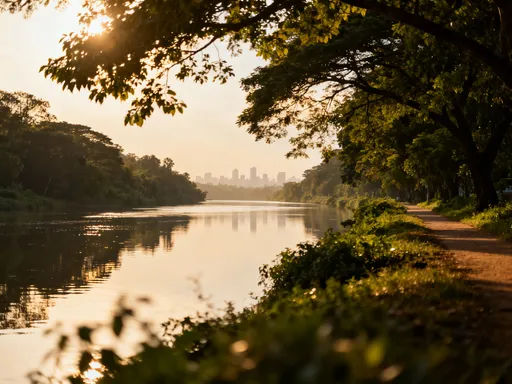
Jaipur isn’t just palaces and forts—trust me, I went looking for pink cities but found something wilder. Nestled beyond the bustling markets and tourist trails are untouched natural wonders waiting to be captured. As a photographer, I was blown away by the raw beauty: golden sunrises over rocky ridges, mirror-like lakes at dawn, and forests alive with light. This is Jaipur few ever see—real, wild, and absolutely stunning through the lens. While most visitors focus on the Amber Fort or Hawa Mahal, there’s a quieter, more elemental side of the city that speaks in rustling leaves, still waters, and sunlit stone. It’s a landscape shaped by ancient geology and seasonal rhythms, where nature and heritage quietly coexist. For those willing to wander beyond the postcard sights, Jaipur reveals itself as a haven for visual storytelling and soulful discovery.
Reimagining Jaipur: Beyond the Pink Facade
When travelers think of Jaipur, they picture rose-hued walls, intricate jharokhas, and the regal sweep of royal history. The city’s identity as the “Pink City” is well earned, with its 18th-century urban design and majestic forts drawing millions each year. Yet this architectural grandeur often overshadows another truth—Jaipur is cradled by nature. The Aravalli mountain range, one of the oldest fold mountain systems in the world, wraps around the city like a protective arm, creating a dramatic backdrop that few tourists fully appreciate. These hills, along with seasonal streams, scrub forests, and elevated plateaus, form a surprisingly rich natural canvas. For photographers, this means opportunities to capture contrast: the soft haze of morning mist over rugged terrain, the sharp silhouette of a peacock against a dusty ridge, or the delicate bloom of wildflowers clinging to rocky soil.
Shifting the lens from monuments to landscapes doesn’t diminish Jaipur’s cultural legacy—it deepens it. The palaces were built in harmony with the land, perched on hills and aligned with natural contours. The same winds that cool the courtyards of Nahargarh Fort whisper through the treetops of nearby sanctuaries. By exploring these natural spaces, photographers don’t just document scenery—they uncover the quiet dialogue between people and place. This reimagined perspective invites travelers to slow down, to listen, and to look beyond the obvious. It’s not about replacing the famous sites but enriching the experience with layers of texture, light, and life that exist just off the beaten path. The result? Images that feel more intimate, more authentic, and more alive.
Nahargarh Biological Park: Where Jungle Meets Skyline
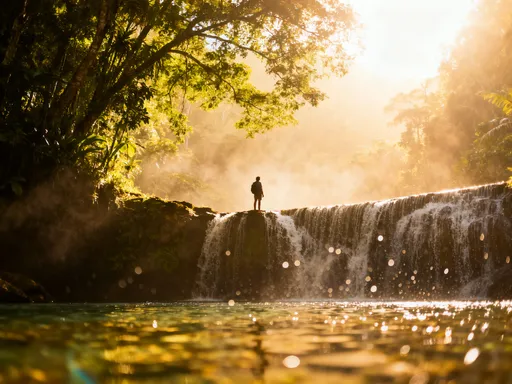
Perched high on the northern edge of the Aravalli hills, Nahargarh Biological Park offers one of Jaipur’s most breathtaking natural vantage points. While many visitors flock to the nearby Nahargarh Fort for panoramic views, fewer make the short trek into the park itself—a quiet wilderness where leopards, hyenas, and sloth bears roam protected zones, and over 160 species of birds call the canopy home. For photographers, this is a goldmine of atmospheric conditions and organic compositions. At dawn, the park is often wrapped in a soft silver mist, with shafts of light piercing through dense groves of dhok and bamboo. The interplay of shadow and illumination creates depth in every frame, turning ordinary trees into dramatic silhouettes and rocky outcrops into textured backdrops.
The park’s elevated position makes it ideal for wide-angle cityscapes, especially during golden hour. From certain ridges, you can capture the sprawling urban expanse of Jaipur below, softened by distance and dust, with the sun bleeding gold across the horizon. A telephoto lens allows for intimate portraits of wildlife, though patience and silence are key—these animals are elusive and easily startled. For best results, enter early in the morning, just after the gates open at 7 a.m., when temperatures are cooler and animal activity peaks. Use a tripod for low-light shots and set your ISO between 400 and 800 to maintain clarity without excessive noise. A polarizing filter helps cut through haze and enhances the contrast between sky and foliage.
What makes Nahargarh Biological Park truly special is its duality—wilderness within reach of the city. You can be sipping chai in a bustling market at noon and, within 30 minutes, standing in near-silence, surrounded by the sounds of rustling leaves and distant bird calls. This accessibility makes it perfect for day trips, but it also demands respect. Stay on marked trails, avoid loud noises, and never attempt to feed or approach animals. By photographing with restraint and mindfulness, you not only protect the ecosystem but also create images that reflect its true spirit—untamed, dignified, and quietly magnificent.
The Secret of Sisodia Rani Garden’s Water Channels
Often passed over for more famous landmarks, the Sisodia Rani Garden is a hidden gem of hydrology and horticulture. Built in the 18th century as a pleasure garden for Queen Sisodia, this terraced retreat blends Mughal design with natural springs and seasonal water flow. Unlike the rigid symmetry of city monuments, this garden feels alive—its fountains fed by underground channels, its pools replenished by monsoon rains, and its flowerbeds bursting with color after the first showers. For photographers, it offers a rare combination of structure and spontaneity. The reflecting pools act as natural mirrors, doubling the image of arched pavilions and flowering jacarandas, while the gentle movement of water introduces soft motion ideal for long-exposure techniques.
Visit in the late morning or early afternoon when sunlight filters through trellised creepers, casting delicate lace-like shadows on white marble walkways. The interplay of light and water creates ever-changing patterns, making each shot unique. Use a slow shutter speed—between 1/4 and 2 seconds—to capture the silky flow of water over stone cascades. A neutral density (ND) filter is essential on bright days, allowing longer exposures without overexposure. Focus on details: droplets clinging to lotus leaves, the ripple effect of a fish breaking the surface, or the way morning dew glistens on marigold petals. These micro-moments tell a deeper story about the garden’s seasonal rhythm and ecological balance.
The garden’s beauty intensifies after the monsoon, when Rajasthan’s typically dry landscape transforms into a lush oasis. Greens become richer, water channels brim, and flowering vines like bougainvillea and passionflower climb every available surface. This is the ideal time to capture vibrant contrasts—deep red blooms against pale stone, emerald foliage framed by arid hills in the distance. Because Sisodia Rani Garden is less crowded than major attractions, photographers can take their time composing shots without disruption. It’s a place that rewards stillness, observation, and an eye for detail. In a city known for grandeur, this garden reminds us that beauty also lives in quiet corners, in flowing water, and in the slow unfurling of a leaf.
Moti Doongri: A Hilltop Escape with Cinematic Vistas
Overlooked by most guidebooks, Moti Doongri is a serene hill formation in eastern Jaipur, crowned by a modest Ganesh temple and surrounded by natural rock formations and sparse vegetation. What it lacks in size, it makes up for in atmosphere. The climb is gentle, taking about 15 minutes on a well-maintained path, but the ascent delivers a powerful sense of elevation—both physical and emotional. From the summit, the city unfolds in all directions, a patchwork of pink rooftops, winding roads, and distant hills. For photographers, this is a prime location for cinematic wide shots, especially at sunrise when the sky transitions through soft pinks, golds, and pale blues. The low angle of morning light casts long shadows, adding depth and dimension to the landscape.
Composition here benefits from natural framing. Use the gnarled branches of khejri trees or the jagged outlines of granite boulders to frame the cityscape, creating a sense of depth and context. A mid-range zoom lens (24-70mm) works well for balancing foreground elements with distant views. Because the site is relatively small, it’s easy to explore every angle, but the eastern and southern exposures offer the clearest sightlines for sunrise photography. Arrive at least 30 minutes before dawn to scout positions and set up equipment. Bring a flashlight for the climb, and consider using a remote shutter release to minimize camera shake during long exposures.
Moti Doongri’s quiet reverence makes it ideal for contemplative photography. Unlike busier temples, this site sees fewer visitors, allowing for peaceful, uninterrupted shooting. The simplicity of the temple architecture—a single domed structure on a stone platform—contrasts beautifully with the wildness of its surroundings. Capture the juxtaposition: ancient faith meeting raw nature, human devotion set against timeless geology. Because this is an active place of worship, maintain a respectful distance from prayer areas and avoid using flash during rituals. By photographing with humility, you preserve not just the image but the spirit of the place—a quiet hilltop where sky, stone, and city converge in perfect harmony.
Mansa Devi Temple & the Aravalli Foothills: Rugged Beauty
Nestled in the southern foothills of the Aravallis, the Mansa Devi Temple sits amid a landscape of weathered boulders, dry scrub, and resilient desert flora. Dedicated to the goddess Mansa, the temple is a place of pilgrimage, but its setting offers something equally powerful for photographers: a study in contrast. Smooth stone carvings stand beside rough-hewn rock faces; vibrant saffron flags flutter above dusty terrain; and the stillness of devotion meets the untamed energy of the wild. The surrounding area is part of a larger ecological zone that supports foxes, monitor lizards, and numerous bird species, including the Indian robin and the white-browed bulbul. This blend of cultural and natural elements creates layered, emotionally resonant images.
The best time to shoot here is late afternoon, when the sun slants across the hills, highlighting the texture of both stone and soil. Use a macro lens to capture intricate carvings on temple walls, then switch to a wide-angle to include the expansive view of the valley below. The interplay of light and shadow across the rocky terrain adds drama, while the muted earth tones—ochre, rust, and slate gray—provide a natural color palette that’s both subtle and powerful. A polarizing filter enhances the contrast between sky and land, making clouds stand out against deep blue.
Because this is a sacred site, photography must be conducted with care. Avoid shooting inside the main sanctum or during private rituals. Instead, focus on environmental portraits—devotees walking barefoot on warm stone, offerings placed at the base of trees, or the play of light through prayer shawls. These moments tell a story without intrusion. The key is to observe quietly, to wait for the right moment, and to frame with intention. In doing so, you honor both the subject and the setting, creating images that are not just visually striking but spiritually grounded. The Aravalli foothills remind us that beauty isn’t always lush or soft—it can be rugged, enduring, and deeply rooted in place.
Capturing Seasonal Magic: When Nature Paints Jaipur
Jaipur’s natural landscapes are not static—they shift dramatically with the seasons, each period offering a distinct visual language. Understanding these cycles is essential for photographers who want to capture the city’s full range of moods. The post-monsoon months, from September to November, are arguably the most rewarding. After weeks of rain, the Aravalli hills turn a rare shade of green, water bodies swell, and wildflowers bloom in unexpected places. This brief window of lushness transforms the typically arid terrain into a vibrant tapestry, perfect for capturing reflections, flowing streams, and renewed life. Temperatures during this period average between 22°C and 30°C, making outdoor shoots comfortable even in midday light.
Winter, from December to February, brings a different kind of beauty. Mornings are often veiled in soft fog, especially in low-lying areas and near lakes. This atmospheric haze adds mystery to compositions, softening edges and creating dreamlike scenes. Sunrise shots benefit from the diffused light, while long shadows in the late afternoon enhance depth. Average temperatures range from 8°C to 22°C, so dressing in layers is advisable for early shoots. This is also the season for migratory birds, with species like the northern shoveler and common teal appearing in wetlands around the city, offering unique wildlife photography opportunities.
Spring, from March to May, is hotter but visually dynamic. The jacaranda trees bloom in mid-March, draping streets and gardens in purple. The palash (flame of the forest) blooms in April, adding splashes of red to the hillsides. While daytime temperatures can exceed 40°C, early mornings and late evenings remain workable for photography. The harsh midday light can be used creatively—high-contrast black-and-white shots emphasize texture and form, turning rocky outcrops and dry riverbeds into abstract compositions. Regardless of season, packing light is essential. A compact tripod, a versatile zoom lens, extra batteries, and a polarizing filter are the core tools for capturing Jaipur’s natural moods. Memory cards with ample storage ensure you don’t miss fleeting moments—like a sudden rain shower darkening the hills or a flock of parakeets exploding from a treetop.
From Lens to Legacy: Why These Shots Matter
Photographing Jaipur’s hidden natural wonders is about more than capturing beautiful images—it’s about preserving a fragile reality. These landscapes, though resilient, face pressures from urban expansion, water scarcity, and climate change. By documenting them, photographers become silent advocates for conservation. A single image of a mist-covered ridge or a blooming desert flower can inspire awareness, spark curiosity, and encourage responsible tourism. In an age where travel is often reduced to checklist experiences, these photographs remind us to look deeper, to value stillness, and to respect the ecosystems that sustain both culture and life.
Every photograph carries a story—not just of place, but of presence. The decision to hike a quiet trail, to wait for the perfect light, to frame a scene with care—is an act of attention. It says, “This matters.” And in sharing these images, we invite others to see Jaipur not just as a destination, but as a living, breathing entity shaped by time, water, and wind. We challenge the narrative that nature exists only in remote forests or national parks. Here, in the heart of Rajasthan’s capital, it thrives in plain sight, waiting to be noticed.
So the next time you plan a trip to Jaipur, go beyond the guidebooks. Leave the crowded courtyards and step into the hills, the gardens, the quiet temples on the edge of town. Bring your camera, but also bring patience, respect, and an open mind. Because the most powerful images aren’t taken—they’re earned. And in the soft light of dawn, with the city waking below and the wind in the trees, you might just find that the real magic of Jaipur isn’t in its past, but in its wild, beating present.