You Gotta See These Hidden Spots in Montevideo – My Check-In Experience
Montevideo isn’t just Uruguay’s capital—it’s a rhythm of old-world charm and coastal cool. I checked in with no plan and found myself drawn to its relaxed vibe, where leisure feels effortless. From breezy boardwalks to tucked-away plazas, the city offers more than meets the eye. This is about the places that made me pause, breathe, and truly unwind—real spots, zero hype, just authentic moments.
First Impressions: Stepping Into Montevideo’s Pulse
Arriving in Montevideo, the mix of colonial architecture and ocean air sets the tone in a way few capitals do. There’s no rush, no blaring horns, no overwhelming crowds—just a gentle hum of daily life unfolding at its own pace. Unlike faster-moving Latin American capitals, Montevideo breathes slowly, inviting you to match its rhythm. The city stretches along the southern coast of Uruguay, cradled by the wide estuary of the Río de la Plata, and from the moment you step off the bus or taxi, the salty breeze reminds you: this is a place shaped by water and wind.
I chose to stay in Pocitos, a leafy, mid-rise neighborhood known for its golden beach and relaxed urban energy. It’s not flashy, but it’s effortlessly livable—tree-lined avenues, corner kiosks with fresh juice, and cafés where time seems to pause. The streets here carry a quiet confidence: families stroll after dinner, couples walk dogs along the promenade, and neighbors greet each other by name. This sense of community isn’t staged; it’s woven into the fabric of daily life. And because of that, leisure here doesn’t feel like an activity—it feels like a natural state of being.
What struck me most was how unpolished the city feels in the best possible way. There are no grand monuments dominating every corner, no overpriced tourist traps crowding the sidewalks. Instead, Montevideo reveals itself gradually—through a sudden glimpse of the river between buildings, a mural hidden down a side street, or the sound of guitar drifting from an open window. It’s a city that rewards wandering without an agenda. Every turn offers a small discovery, not because it’s designed for visitors, but because it’s a place where locals live fully and thoughtfully.
This laid-back rhythm shapes every choice, from where to have coffee to how to spend a Sunday afternoon. There’s no pressure to ‘see it all’ because there’s no implied checklist. Instead, the city invites you to tune into its pace—to walk without rushing, to sit without scrolling, to listen without planning your next move. In a world that glorifies busyness, Montevideo offers a quiet rebellion: the idea that doing nothing can be the most meaningful thing of all.
The Rambla: Where Movement Meets Relaxation
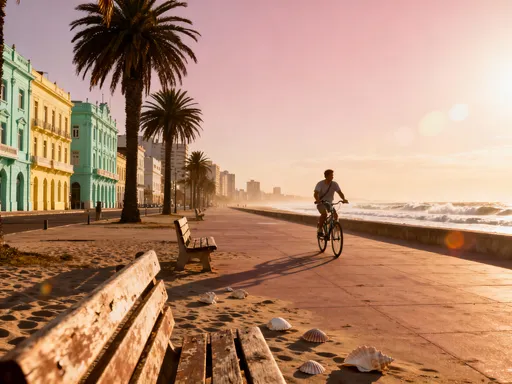
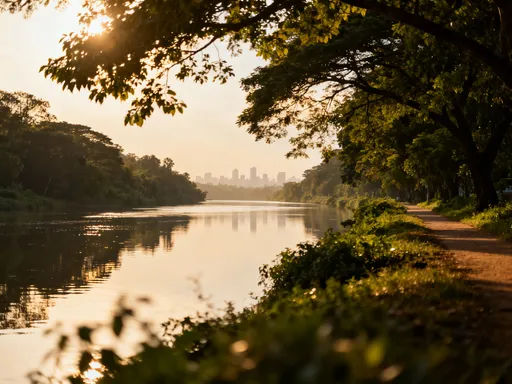
The Rambla isn’t just a seaside promenade—it’s the city’s living room, its main artery, and its soul. Stretching over 22 kilometers along the Río de la Plata, it’s where Montevideans come to move, rest, connect, and simply be. I began each morning with a slow walk along its paved path, watching the light rise over the water, turning the surface from gray to silver to gold. Joggers passed with steady strides, cyclists wove through with bells chiming, and older couples sat on benches sharing mate, the traditional herbal infusion passed from hand to hand.
What makes the Rambla special isn’t its length or views—though both are impressive—but the way it belongs to everyone. There’s no entry fee, no dress code, no expectation. You can come in workout gear, in slippers, with a dog, a book, or a guitar. Along the route, small clusters of people gather: teenagers skateboarding near the ramps in Punta Carretas, families flying kites at Parque Rodó, and fishermen casting lines into the gentle current. It’s a space where leisure isn’t scheduled; it’s spontaneous and shared.
Bike rentals are widely available and affordable, making it easy to cover more ground. I rented a sturdy city bike one morning and rode from Pocitos to Ciudad Vieja, a journey that took about 45 minutes at a leisurely pace. The route winds through sun-dappled parks, past quiet coves where swimmers dip in the cool water, and alongside open-air gyms where seniors practice tai chi. In the stretch near Playa Verde, the path narrows slightly, flanked by native grasses and the occasional bench shaded by palm trees. It’s not manicured like a resort boardwalk—it’s real, lived-in, and deeply welcoming.
One of the most touching moments came near sunset, when a group of friends arrived with a bottle of wine, a loaf of bread, and a portable speaker. They spread a blanket on the grassy slope above the walkway and sat in silence for a while, watching the sky change. No one bothered them. No one even glanced twice. It was just another evening ritual in a city that values presence over performance. The Rambla isn’t about seeing sights—it’s about feeling them, one step, one breath, one shared silence at a time.
Ciudad Vieja: Culture and Calm in the Old Town
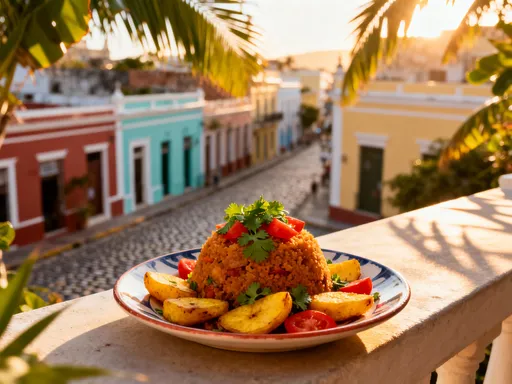
Stepping into Ciudad Vieja—the city’s historic heart—feels like entering a different era, yet one that’s very much alive. Cobblestone streets wind between colonial-era buildings painted in faded ochre, terracotta, and seafoam green. The air carries the scent of coffee, grilled meat, and old stone warmed by the sun. Plaza Independencia, with its grand gateway and statue of Uruguay’s founding father, José Gervasio Artigas, is the district’s anchor, but the true magic lies in the quieter corners.
I found myself drawn to Plaza Zabala, a smaller square tucked away from the main thoroughfares. Under the shade of towering palm trees, local artists set up easels, sketching the architecture or painting landscapes. Travelers sipped coffee from paper cups, reading books or chatting quietly. A street musician played a soft tango on accordion, the melody drifting like smoke through the afternoon. There were no souvenir stands, no loud tour groups—just a peaceful pocket of urban life where time moved a little slower.
The Mercado del Puerto is Ciudad Vieja’s most famous destination, and for good reason. The iron-and-glass market hall, built in the 19th century, now hosts dozens of parillas—grill stalls serving smoky, succulent cuts of beef, chorizo, and mollejas. But while the market draws crowds, especially on weekends, the surrounding side streets offer a more intimate experience. I wandered into a narrow alley and discovered a tiny café with only four tables, where the owner served me a cortado and a homemade pastafrola, a traditional Uruguayan tart filled with quince jam.
One of the most memorable moments came in a hidden courtyard gallery near Calle Pérez Castellano. There was no sign, no website—just a wooden gate slightly ajar. Inside, local artists displayed paintings and sculptures on whitewashed walls, and hammocks hung between columns for visitors to relax. A woman in a paint-splattered apron offered me mate and told me the space had been a family home before becoming a community art project. No admission fee, no sales pitch—just creativity shared freely. This, I realized, is what makes Ciudad Vieja special: it’s not preserved behind glass. It’s lived in, loved, and constantly reinvented.
Parks and Plazas: Green Escapes in the Urban Flow
Montevideo’s parks aren’t pristine, picture-perfect spaces designed for Instagram. They’re messy, vibrant, and deeply human—places where life unfolds without pretense. Parque Rodó, once the site of a national fairground, is now a sprawling green lung in the city’s west. It’s not manicured like European gardens, but it’s beloved. Families picnic on blankets, teenagers play pickup football, and grandparents teach grandchildren how to fly kites near the riverbank.
I spent an afternoon there, sitting on a bench near the old amusement park, where vintage rides still operate on weekends. The Ferris wheel, painted in faded red and yellow, creaked slowly against the sky, carrying giggling children and couples holding hands. Nearby, an open-air chess area buzzed with quiet intensity—older men hunched over boards, spectators watching silently. There was no rush, no impatience. The game could last an hour or three—it didn’t matter.
Further north, the Parque Batlle complex offers a different kind of calm. Home to the city’s Obelisk—a simple, elegant monument honoring national heroes—it also houses the Rosedal, a serene rose garden with winding paths and shaded benches. Unlike more formal gardens, this one feels accessible. Parents push strollers through the blooms, couples sit close on benches, and photographers capture the soft light filtering through petals. In spring, the scent of roses mixes with the breeze from the river, creating a sensory moment that feels almost sacred.
What stands out about Montevideo’s green spaces is how integrated they are into daily life. They’re not destinations you ‘visit’—they’re part of the city’s rhythm. A worker might stop by a small plaza for a 10-minute break with a sandwich. A student might read under a tree between classes. A retiree might walk the same path every morning, waving to the same faces. These parks aren’t escapes from the city—they’re where the city breathes. And in that, they offer a kind of leisure that’s not about doing, but about being.
Beachside Leisure: Beyond the Sand at Pocitos and Beyond
Pocitos Beach is the city’s most famous shoreline, and for good reason. Its wide arc of golden sand stretches for nearly two kilometers, framed by palm trees and low-rise apartments. But what makes it special isn’t its beauty—it’s how casually people enjoy it. There are no high-end beach clubs, no bottle service, no pressure to look a certain way. Locals come as they are: in swimsuits, in jeans, with towels, with dogs, with books.
I grabbed a medialuna—a buttery, croissant-like pastry—from a beachside kiosk and sat on the sand, watching the waves roll in. The water of the Río de la Plata isn’t turquoise or tropical—it’s silvery, cool, and sometimes choppy. But that doesn’t stop people from swimming, wading, or simply dipping their feet. Children built sandcastles, couples walked hand in hand, and groups of friends played beach volleyball with fierce but friendly competition. No one was in a hurry. No one was checking their phone. The moment was enough.
Just a few kilometers east, Playa Buceo offers a quieter alternative. Less crowded and more residential, it’s popular with swimmers, kayakers, and families who live in the surrounding barrio. The beach is narrower, but the water is calmer, and the atmosphere even more relaxed. I joined a small group doing morning yoga on the sand, led by a local instructor who spoke softly, encouraging us to listen to the rhythm of the waves. Afterward, we sat in silence, sipping mate, feeling the sun on our faces.
What struck me most about Montevideo’s beaches is how they belong to the people. There are no private sections, no VIP zones. Everyone shares the same space, the same sun, the same view. And because of that, the experience feels democratic, grounding, and deeply restorative. Leisure here isn’t about luxury—it’s about access, presence, and the simple joy of being near water.
Café Culture: Slow Moments in Local Hangouts
In Montevideo, coffee is not a fuel for productivity—it’s a ritual of connection and pause. I quickly learned that cafés here are not places to grab and go. They’re where conversations stretch for hours, where friends meet without checking the time, and where solitude is not loneliness, but a kind of quiet celebration.
One of my favorite discoveries was a small café in the Cordón neighborhood, tucked between residential buildings with no sign except a hand-painted menu in the window. Inside, the walls were covered in old concert posters and black-and-white photos. The owner, a man in his 60s with a thick mustache, served thick cortados in chipped ceramic mugs. Jazz played softly—Coltrane, then Bill Evans—while two women at the corner table debated literature over shared pastries. Laptops were rare. Phones stayed in pockets. The pace was deliberate, unhurried.
Another memorable spot was near Plaza Fabini, where a row of plane trees shaded outdoor tables. I sat with a glass of mate cocido—a warm, tea-like version of the traditional drink—and watched the neighborhood unfold. A man walked his dog, stopping to chat with the baker. A child chased a balloon until it floated into the branches. A street vendor sold empanadas from a cart, the scent of baked dough and beef filling the air. Time didn’t feel like something to manage—it felt like something to inhabit.
These cafés aren’t designed to be ‘Instagrammable.’ They’re not decorated with succulents or neon signs. They’re worn, warm, and real. And that’s exactly why they work. In a world that glorifies speed and efficiency, Montevideo’s café culture offers a quiet resistance: the idea that slowing down is not laziness, but a form of wisdom. Here, leisure isn’t scheduled—it’s savored.
Evening Unwinding: Sunset Rituals and Low-Key Nights
As dusk falls, Montevideo doesn’t shift into high gear. It doesn’t light up with neon or pulse with loud music. Instead, it glows softly, like a city breathing out. I followed locals to the Rambla at sunset, where small groups gathered with thermoses of mate, bottles of wine, and paper bags of empanadas. They stood or sat on the grassy slope, watching the sky turn from pink to gold to deep purple. When the sun finally dipped below the horizon, someone always cheered—softly, joyfully—and the moment passed like a shared secret.
In barrios like Barrio Sur and Palermo, small milongas—tango halls—open their doors in the evening. I didn’t go inside, but I stood outside one, listening to the music drift through the open windows. The bandoneón’s melancholy cry, the scrape of shoes on wood, the hush between songs—it was intimate, not performative. People danced not for an audience, but for the feeling, the connection, the history in the steps.
Dinner in Montevideo starts late, often after 9 p.m., but it’s never rushed. I ate at a neighborhood parilla in Punta Carretas, where the owner greeted regulars by name and brought extra bread ‘for the table.’ The grilled meats—entraña, chorizo, morcilla—arrived with simple salads and crusty bread. Wine was poured generously, conversation flowed easily, and dessert came slowly, if at all. The night wound down early, around 11 or 11:30, and that was the point. Leisure here isn’t about excess—it’s about restoration.
Walking back to my apartment under the glow of streetlamps, I realized something: Montevideo doesn’t sell you an experience. It doesn’t need to. It simply offers a way of being—one that values presence over productivity, connection over consumption, and quiet over noise. And in that, it gives you something rare: the permission to slow down, to breathe, to just be.
Conclusion
Montevideo’s strength lies in its ability to make leisure feel authentic, not curated. There are no flashy attractions or crowded must-sees—just spaces where life unfolds naturally. From oceanfront walks to quiet plazas, the city invites you to slow down and simply be. It’s not about checking boxes, but about presence. In a world that never stops moving, that might be the most refreshing experience of all. The hidden spots I discovered weren’t hidden because they were secret—they were hidden because they weren’t trying to be seen. They exist for the people who live here, not for the visitors passing through. And that’s what makes them real. If you go, don’t come looking for spectacle. Come looking for stillness. Come ready to pause. And you might just find, as I did, that the quietest moments are the ones that stay with you the longest.