Youth on Autopilot: What Science Says About Aging Backwards
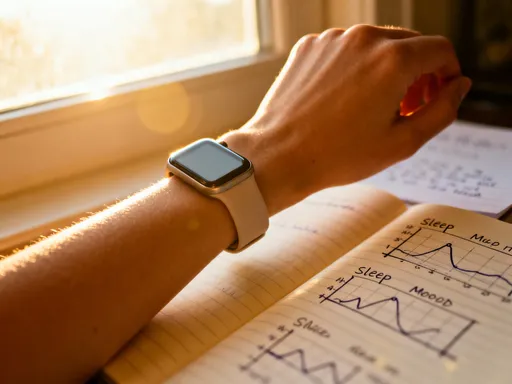
Aging isn’t just about wrinkles or gray hair—it’s a biological process happening at the cellular level, long before we see signs on the surface. Recent breakthroughs in longevity science reveal that how we eat, move, and rest directly influences our cells’ aging clocks. I tested these findings myself, tracking energy, skin resilience, and mental clarity. What changed wasn’t magic—it was mechanism. This is what happens when health consciousness meets real science. The truth is, chronological age—how many birthdays you’ve celebrated—doesn’t tell the full story. Two people can be the same age, yet one may have the energy of someone decades younger. The difference lies beneath the skin, in the silent signals our cells send every day. And the most empowering part? We’re not powerless bystanders in this process.
The Hidden Clock Inside You
Inside every cell of your body is a biological timer quietly ticking—one that doesn’t rely on calendar years but on molecular changes that reflect how well your body is functioning. This is your biological age, a measure increasingly recognized by scientists as a more accurate predictor of health and longevity than chronological age. Think of it like this: two cars might both be 2010 models, but one has been meticulously maintained with regular oil changes, clean fuel, and careful driving, while the other has endured years of neglect and rough use. Externally, they may look similar, but under the hood, their conditions differ drastically. Your body operates the same way. Some 60-year-olds have the cardiovascular endurance, muscle tone, and cognitive sharpness of people in their 40s, while others feel worn down long before their time.
The science behind this lies in three key areas: telomeres, epigenetics, and biomarkers. Telomeres are protective caps at the ends of your chromosomes, much like the plastic tips on shoelaces. Each time a cell divides, these caps shorten. When they become too short, the cell can no longer divide and may enter a state of senescence or die. Shortened telomeres are strongly associated with aging and age-related diseases. However, research shows that lifestyle factors such as chronic stress, poor sleep, and inactivity accelerate telomere shortening, while healthy habits can slow or even reverse the process. A landmark study from the University of California, San Francisco found that men who adopted comprehensive lifestyle changes—better diet, exercise, stress management—showed increased telomerase activity, the enzyme that helps rebuild telomeres, after just five years.
Epigenetics offers another layer of insight. While your DNA sequence remains largely unchanged throughout life, the way your genes are expressed can shift dramatically based on environmental inputs. Epigenetic markers act like dimmer switches on your genes, turning certain functions up or down. These markers can be influenced by diet, physical activity, sleep, and emotional well-being. Scientists can now analyze these patterns to estimate biological age with remarkable accuracy. One widely used model, the Horvath clock, analyzes DNA methylation patterns across hundreds of sites in the genome to predict biological age. What’s striking is that people can be chronologically 55 but biologically 45—or the reverse—depending on how they’ve lived. Biomarkers such as blood pressure, insulin sensitivity, inflammation levels, and lung capacity further refine this picture, offering a real-time snapshot of your body’s internal condition.
Why Your Cells Are Listening to Your Lifestyle
Every choice you make sends signals to your cells—what you eat, how you move, whether you’re stressed or calm. These signals don’t just affect how you feel today; they shape how your body ages over time. At the heart of this process is cellular communication, a complex network that responds to both internal and external cues. When you’re under constant stress, for example, your body releases cortisol, a hormone designed to help you respond to immediate threats. But when cortisol remains elevated over long periods—due to work pressure, financial worries, or emotional strain—it triggers chronic inflammation, disrupts sleep, and impairs immune function. Over time, this low-grade inflammation damages tissues and accelerates aging, contributing to conditions like arthritis, heart disease, and cognitive decline.
Similarly, your mitochondria—the tiny power plants inside each cell—respond directly to lifestyle inputs. These organelles generate the energy your body needs to function, but they also produce free radicals as a byproduct. In balance, your body neutralizes these with antioxidants. But when mitochondria are overworked or damaged—due to poor nutrition, lack of movement, or toxin exposure—they produce excess free radicals, leading to oxidative stress. This stress damages DNA, proteins, and lipids, accelerating cellular aging. On the flip side, when you support mitochondrial health through regular physical activity, nutrient-rich foods, and restorative sleep, you enhance their efficiency and reduce oxidative damage.
The key insight is that aging is not a passive process. It’s dynamic, constantly being shaped by your daily behaviors. A single night of poor sleep or a stressful week won’t doom you, but patterns matter. Consistency in positive habits creates a cumulative effect, reinforcing resilience at the cellular level. This means that even small, repeated choices—like choosing a walk over scrolling, preparing a home-cooked meal instead of processed food, or taking five minutes to breathe deeply—can shift the trajectory of how you age. Your cells are always listening. The question is: what message are you sending?
The 3 Levers Science Proves Actually Work
While the science of aging is complex, researchers have identified a handful of interventions with strong, reproducible effects on biological aging. Among these, three stand out for their accessibility, scientific backing, and real-world impact: time-restricted eating, resistance training, and mindfulness-based stress reduction. These are not extreme measures or expensive treatments—they are practical strategies grounded in human physiology and supported by peer-reviewed studies.
Time-restricted eating (TRE) involves limiting food intake to a consistent window each day, typically 8 to 12 hours, followed by a fasting period. Unlike restrictive diets that focus on calorie counting or eliminating food groups, TRE works by aligning eating patterns with the body’s natural circadian rhythms. During the fasting phase, the body shifts from using glucose for energy to burning stored fat and initiating cellular repair processes such as autophagy—the cleanup of damaged proteins and organelles. A 2022 study published in Cell Metabolism found that participants who practiced TRE for 12 weeks showed improvements in insulin sensitivity, blood pressure, and oxidative stress markers, even without changing what they ate. For someone new to this, starting with a 12-hour eating window—say, 8 a.m. to 8 p.m.—is a manageable first step. Over time, some may find benefit in narrowing it further, but consistency matters more than duration.
Resistance training, often associated with athletes or bodybuilders, is equally vital for healthy aging. Muscle isn’t just for strength; it’s a metabolically active tissue that helps regulate blood sugar, supports joint health, and produces hormones and growth factors linked to longevity. After age 30, adults lose about 3% to 5% of muscle mass per decade, a condition known as sarcopenia. This loss accelerates in later years and is closely tied to frailty, falls, and loss of independence. But strength training can slow, halt, or even reverse this decline. Research from Tufts University shows that older adults who engage in regular resistance exercises gain muscle mass, improve balance, and enhance metabolic health. You don’t need a gym to start—bodyweight squats, wall push-ups, or resistance bands can be effective. Two to three sessions per week, even if only 20 minutes long, make a measurable difference.
Mindfulness-based stress reduction (MBSR) addresses the psychological dimension of aging. Chronic stress is one of the most potent accelerators of biological aging, but mindfulness practices—such as meditation, breath awareness, and body scans—can counteract its effects. A 2018 study from Carnegie Mellon University found that participants who completed an eight-week MBSR program showed reduced markers of inflammation and improved telomere maintenance compared to controls. These practices don’t require hours of silence; even five to ten minutes a day can help regulate the nervous system, lower cortisol, and improve emotional resilience. The goal isn’t to eliminate stress—which is impossible—but to change your relationship with it, reducing its wear and tear on the body.
Food as Longevity Fuel (Not Just Calories)
What you eat does more than fuel your day—it shapes your cellular environment. The modern focus on calories and weight loss often misses a deeper truth: food is information. Each bite sends signals that influence gene expression, inflammation levels, and metabolic health. Rather than chasing fad diets or extreme restrictions, the science of longevity emphasizes nutrient density—the amount of vitamins, minerals, antioxidants, and fiber per calorie. Foods rich in polyphenols, omega-3 fatty acids, and fiber have been consistently linked to slower biological aging and reduced risk of chronic disease.
Polyphenols, found in colorful fruits, vegetables, tea, dark chocolate, and extra virgin olive oil, act as powerful antioxidants and anti-inflammatory agents. They support gut health by feeding beneficial bacteria and help protect cells from oxidative damage. Omega-3 fatty acids, abundant in fatty fish like salmon and sardines, as well as flaxseeds and walnuts, play a crucial role in reducing systemic inflammation and supporting brain health. Fiber, especially from whole grains, legumes, and vegetables, feeds the gut microbiome, which in turn influences immune function, hormone balance, and even mood. A diverse, plant-forward diet naturally delivers these compounds without the need for supplements.
The Mediterranean diet pattern—rich in vegetables, fruits, whole grains, legumes, nuts, olive oil, and fish, with moderate dairy and limited red meat—has been extensively studied for its anti-aging effects. A 2020 meta-analysis in Nutrients concluded that adherence to this pattern was associated with longer telomeres and lower biological age. But the goal isn’t rigid adherence; it’s about adopting principles, not rules. You don’t need to eliminate all processed foods overnight. Instead, focus on adding more whole, minimally processed foods to your meals. A simple shift—like replacing white bread with whole grain, or snacking on almonds instead of chips—can have ripple effects over time.
Equally important is avoiding metabolic backlash. Extremely low-calorie diets or cutting out entire food groups may lead to short-term weight loss but can slow metabolism, reduce muscle mass, and increase stress hormones—counterproductive for long-term health. The body interprets severe restriction as a threat, triggering survival mechanisms that promote fat storage and energy conservation. Sustainable longevity nutrition is not about deprivation; it’s about nourishment. It’s about choosing foods that support your body’s repair systems, stabilize energy, and promote a sense of well-being.
Movement That Turns Back Time
Physical activity is one of the most potent anti-aging tools available, yet it’s often misunderstood. Many people associate exercise with weight loss or appearance, but its deepest benefits occur at the cellular level. Movement isn’t just about burning calories—it’s about signaling your body to stay strong, responsive, and resilient. Skeletal muscle, in particular, functions as a vital organ of longevity. It’s not just for lifting or walking; it regulates blood sugar, produces anti-inflammatory molecules, and supports cognitive health by releasing neuroprotective factors.
Resistance training, as previously discussed, builds and preserves muscle mass, but aerobic exercise—such as brisk walking, cycling, or swimming—also plays a critical role. It improves cardiovascular health, enhances mitochondrial function, and increases oxygen delivery to tissues. Studies show that regular aerobic activity is linked to longer telomeres and better cognitive performance in later life. The key is consistency, not intensity. A 2018 study in the British Journal of Sports Medicine found that even moderate physical activity—defined as 150 minutes per week of brisk walking—was associated with significantly lower biological age compared to sedentary lifestyles.
For those with desk-bound lives, the challenge isn’t always finding time for long workouts but breaking up prolonged sitting. Sedentary behavior is independently linked to accelerated aging, even among people who exercise regularly. The solution lies in micro-movements: standing up every 30 minutes, taking the stairs, parking farther away, or doing a few squats while waiting for the kettle to boil. These small actions add up, improving circulation, reducing stiffness, and signaling your cells to stay active. Technology can help—wearable devices that remind you to move, or apps that guide short movement breaks, can support these habits without disrupting your day.
The goal isn’t to become an athlete but to remain physically capable and independent as you age. Movement is not a punishment for eating; it’s a celebration of what your body can do. And when approached with curiosity and kindness—rather than guilt or obligation—it becomes a sustainable part of life, not a chore to endure.
Sleep: Your Nightly Reboot for Cellular Repair
If there’s one underrated pillar of longevity, it’s sleep. While we rest, our bodies perform essential maintenance: repairing DNA, clearing metabolic waste from the brain, balancing hormones, and strengthening immune defenses. Deep sleep, in particular, triggers autophagy—the cellular “cleanup” process that removes damaged components and recycles them for energy. This nightly reset is crucial for preventing the accumulation of cellular debris that drives aging and disease.
Poor sleep, on the other hand, has profound consequences. Chronic sleep deprivation is linked to shorter telomeres, higher inflammation, insulin resistance, and increased risk of neurodegenerative conditions. A 2021 study in Sleep found that adults who consistently slept less than six hours per night had biological ages up to five years older than their well-rested peers. Yet, sleep is often the first sacrifice in busy lives—traded for work, screen time, or household demands.
Improving sleep isn’t just about duration; it’s about quality and consistency. Circadian biology—the internal clock that regulates sleep-wake cycles—relies on environmental cues, especially light. Exposure to bright natural light in the morning helps set this clock, while blue light from screens in the evening can delay melatonin release, making it harder to fall asleep. A simple practice—spending 15 to 30 minutes outside in the morning sun—can strengthen circadian alignment. In the evening, dimming lights, avoiding screens, and engaging in calming routines like reading or gentle stretching signal to the body that it’s time to wind down.
Temperature also plays a role. Core body temperature naturally drops at night to initiate sleep. A cool bedroom—around 65°F (18°C)—supports this process. Some people find benefit in a warm bath before bed; the subsequent cooling of the body mimics the natural temperature dip. Establishing a consistent sleep schedule, even on weekends, reinforces the body’s rhythm. Perfection isn’t required—occasional late nights won’t derail progress—but regularity builds resilience. Think of sleep not as lost time, but as an investment in your body’s ability to renew itself.
Building a Life That Ages Slower
Aging well isn’t about chasing eternal youth or erasing every wrinkle. It’s about extending your health span—the number of years you live in good health, free from chronic disease and disability. The strategies discussed—time-restricted eating, resistance training, mindfulness, nutrient-dense eating, regular movement, and quality sleep—are not isolated fixes but interconnected pieces of a larger puzzle. Together, they create a lifestyle that supports cellular health, enhances resilience, and promotes vitality at any age.
It’s important to recognize that genetics do play a role in aging. Some people inherit longer telomeres or more efficient DNA repair mechanisms. But epigenetics—the study of how behavior and environment influence gene expression—reveals that your daily choices hold tremendous power. You may not control your genetic blueprint, but you can influence how it’s read. Small, consistent actions accumulate into meaningful change. You don’t need to transform your life overnight. Start with one habit—perhaps drinking more water, taking a 10-minute walk after dinner, or setting a bedtime alarm. Build from there.
The most sustainable approach is one rooted in self-compassion, not perfection. There will be days when stress wins, when you skip a workout, or when sleep is interrupted. That’s normal. What matters is the overall pattern. Health is not a destination; it’s a way of moving through life with intention and care. When you treat your body as a partner in longevity—not an enemy to be fixed—you create a relationship built on respect and nurturing.
The science is clear: aging is not a one-way decline. It’s a malleable process, responsive to how you live. By aligning your daily habits with biological principles, you activate mechanisms that support vitality, clarity, and strength. You don’t need a miracle. You need a mindset—one that values consistency, honors your body’s needs, and embraces the quiet power of small choices. Aging backwards isn’t about turning time around. It’s about moving forward with greater health, energy, and purpose. And the best time to start is long before you feel old—because the future you is listening.