How Acupuncture and Massage Found My Calm in the Chaos
Life’s stress doesn’t just live in your head—it settles in your shoulders, your breath, your sleep. I used to feel constantly wired, until I tried combining acupuncture and massage not just for pain, but for mental balance. This isn’t a cure, but a real shift. Science supports how these therapies influence the nervous system, helping reset emotional turbulence. Here’s how this pairing helped me regain clarity—naturally, gently, and with surprising depth.
The Hidden Cost of Chronic Stress
Modern life moves fast, and many women in their 30s, 40s, and 50s carry invisible weights. The to-do lists never end: children’s schedules, aging parents, work demands, household rhythms. Over time, the constant pressure doesn’t just wear down energy—it rewires the body’s internal systems. Chronic stress keeps the sympathetic nervous system activated, the part responsible for the “fight-or-flight” response. When this state becomes the norm, the body rarely gets the signal that it’s safe to rest, digest, or repair.
Physical symptoms often appear first—tight shoulders, clenched jaws, headaches, or stomach discomfort. But these are not isolated issues. They are signs of a deeper imbalance. Emotional irritability, difficulty concentrating, and disrupted sleep patterns follow. Many women report feeling “on edge” without a clear reason, snapping at loved ones, or struggling to enjoy moments that should bring joy. This is not weakness. It is the body’s honest response to prolonged strain.
What’s often overlooked is how closely the mind and body communicate. Emotional stress triggers physical tension, and physical tension, in turn, signals the brain that danger may be present. It becomes a cycle: stress causes tension, tension reinforces stress. Breaking this loop requires more than willpower. It requires tools that speak the language of the body. That’s where therapies like acupuncture and massage come in—not as luxuries, but as practical, science-informed strategies to restore equilibrium.
Acupuncture: More Than Needles, It’s Nervous System Training
Acupuncture is an ancient practice rooted in traditional Chinese medicine, but its effects are increasingly validated by modern neuroscience. The insertion of fine, sterile needles into specific points on the body is not random. These points are believed to lie along pathways, or meridians, that influence physiological function. From a Western medical perspective, acupuncture appears to modulate the autonomic nervous system, encouraging a shift from sympathetic (alert) dominance to parasympathetic (rest-and-digest) activity.
One of the key ways acupuncture supports mental balance is through its influence on stress hormones. Studies have shown that regular sessions can lead to measurable reductions in cortisol, the hormone most closely linked to stress. At the same time, acupuncture stimulates the release of endorphins—natural chemicals that promote feelings of well-being and ease discomfort. It also appears to activate the vagus nerve, a major component of the parasympathetic system that helps slow heart rate, lower blood pressure, and calm the mind.
Many people hesitate at the idea of needles, but the experience is typically gentle. The needles are hair-thin, and most feel only a brief sensation, if anything at all. What follows is often a deep sense of relaxation—some describe it as a “floating” feeling, others as a mental quieting. This isn’t sedation; it’s the body finally receiving permission to let go. Over time, these moments of calm can retrain the nervous system to respond more resiliently to daily stressors.
Massage Therapy: Where Touch Resets the Mind
Human touch is a fundamental need, yet many adults go days—or even weeks—without meaningful physical contact that isn’t functional or rushed. Massage therapy provides more than muscle relief; it offers a rare opportunity to be fully present in a safe, quiet space. The rhythmic pressure of skilled hands signals safety to the nervous system, helping to interrupt the cycle of tension and reactivity.
Research has consistently shown that massage reduces levels of cortisol while increasing oxytocin and serotonin—hormones associated with bonding, trust, and mood regulation. These biochemical shifts are not just temporary mood lifts. They reflect a deeper recalibration of the body’s stress response. When muscles relax, the brain receives feedback that the threat has passed. This allows mental chatter to slow and emotional resilience to return.
There is a difference between a spa-style relaxation massage and therapeutic bodywork, though both can support well-being. Therapeutic massage often targets specific areas of chronic tension—such as the upper back, neck, or hips—where emotional stress tends to accumulate. The goal is not just comfort, but restoration of function and ease. For many women, the experience of being truly *held* in stillness, without demands or expectations, becomes a powerful act of self-care. It’s not indulgence—it’s reconnection.
Why Combining Both Creates Synergy
While acupuncture and massage each offer distinct benefits, their combined effect can be greater than the sum of their parts. Think of it like tuning two instruments to play in harmony. Acupuncture works on the internal signaling system—adjusting the body’s chemical messages and nervous system tone. Massage works on the physical structure—releasing stored tension in muscles, fascia, and connective tissue. Together, they create a feedback loop of calm.
When acupuncture helps the nervous system shift into a state of safety, the body becomes more receptive to the physical release offered by massage. At the same time, when muscle tension is reduced through massage, the brain receives fewer signals of distress, making it easier for acupuncture to maintain a parasympathetic state. This mutual reinforcement deepens the sense of relaxation and mental clarity.
For women navigating the complexities of midlife—hormonal changes, shifting family roles, career transitions—this synergy can be especially valuable. It offers a way to address both the invisible emotional load and the visible physical symptoms that come with it. Rather than treating symptoms in isolation, the combination supports the whole person. It’s not about fixing one thing at a time, but about creating a foundation of balance that allows all systems to function more smoothly.
What to Expect: A Realistic First Session
If you’ve never tried acupuncture or therapeutic massage, the idea of a combined session might feel intimidating. A typical appointment begins with a brief consultation. A licensed practitioner will ask about your health history, current stress levels, sleep quality, and any physical discomfort. This helps tailor the session to your needs. There’s no need to share deeply personal details—just enough to guide safe, effective care.
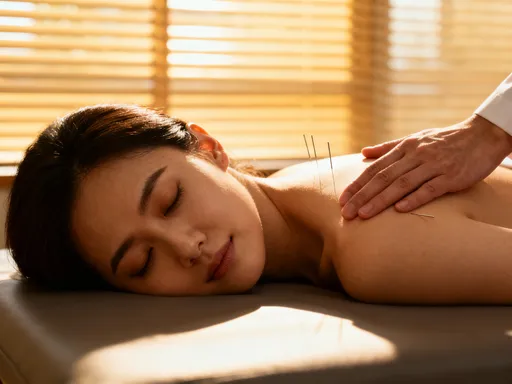
During the acupuncture portion, you’ll lie comfortably on a treatment table, usually on your back or side. The practitioner will insert needles at selected points, which may include areas like the hands, feet, ears, or along the spine. Most people feel little to no discomfort. Once the needles are in place, you’ll rest for 20 to 30 minutes. Many fall into a light doze or experience a meditative state.
After the needles are removed, the session may transition into massage. The same table is used, and you’ll remain draped with sheets or blankets for privacy and comfort. The pressure will be adjusted to your preference—never painful. Some practitioners integrate gentle stretching or focused work on tight areas. Afterward, you may feel deeply relaxed, slightly lightheaded, or unusually clear-headed. These responses are normal. The effects build gradually, with many noticing improvements in sleep and mood after a few consistent sessions.
Integrating Into Daily Life: Beyond the Treatment Room
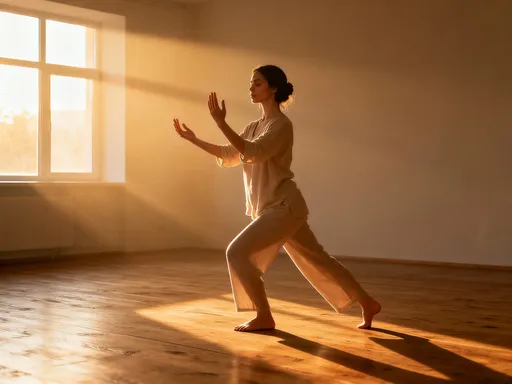
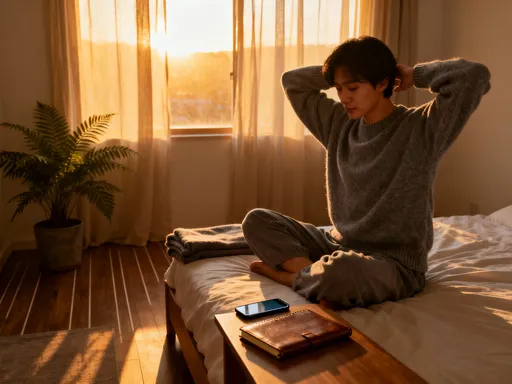
While regular sessions with a practitioner are valuable, the benefits of acupuncture and massage are enhanced when paired with daily self-care practices. These therapies are not quick fixes—they are part of a larger ecosystem of well-being. One of the most powerful complements is mindful breathing. Taking just five minutes a day to focus on slow, deep breaths can reinforce the nervous system shifts initiated during treatment.
Light movement, such as walking, stretching, or gentle yoga, also supports the body’s ability to release tension. Movement doesn’t have to be intense; consistency matters more than intensity. Staying hydrated helps flush metabolic byproducts released during massage and supports overall circulation. Some women find it helpful to keep a simple journal to track their mood, sleep, and physical sensations over time, which can reveal patterns and progress.
Scheduling regular appointments—whether weekly, biweekly, or monthly—can provide a rhythm of renewal. Think of it like routine maintenance for a car: small, consistent care prevents larger breakdowns. During particularly stressful seasons—family transitions, work deadlines, holidays—increasing session frequency can offer crucial support. The goal is not perfection, but presence. These practices help you stay connected to your body’s signals before they become loud warnings.
When to Seek Professional Guidance
It’s important to recognize that while acupuncture and massage can significantly support mental and physical well-being, they are not substitutes for professional mental health care. If you are experiencing persistent anxiety, depression, or emotional distress, it’s essential to consult a licensed therapist, counselor, or physician. These therapies work best as part of an integrated approach, not as standalone solutions.
Always seek care from licensed and certified practitioners. In the United States, acupuncturists are typically licensed by the National Certification Commission for Acupuncture and Oriental Medicine (NCCAOM), and massage therapists are licensed at the state level. A qualified practitioner will take your medical history seriously, respect your boundaries, and adjust techniques to your comfort level.
For women with certain medical conditions—such as bleeding disorders, recent surgery, or pregnancy—some modifications may be necessary. A responsible practitioner will communicate openly about safety and collaborate with your healthcare team when needed. The goal is to provide care that is not only effective but also safe and respectful of your individual health journey.
Acupuncture and massage are not magical cures, nor are they one-size-fits-all solutions. But for many women, they offer a quiet, steady path back to themselves. In a world that demands constant output, these practices create space for input—rest, repair, and reflection. They remind us that healing doesn’t always come in dramatic breakthroughs. Sometimes, it arrives in the stillness between breaths, in the warmth of a therapist’s hands, in the subtle shift of a nervous system learning to rest again.
Psychological balance isn’t about eliminating stress—it’s about resilience. Acupuncture and massage won’t fix everything, but they can help retrain your body’s response to life’s pressures. For me, they became tools of return—ways to come back to myself, again and again. When science, tradition, and self-awareness meet, healing isn’t loud. It’s quiet. And sometimes, that quiet is everything.